
Fenny Airfield, located near the town of Feni in present-day southeastern Bangladesh, served as a vital United States Army Air Forces (USAAF) installation during World War II. Operational primarily during the later stages of the critical Burma Campaign (1944–1945), it functioned as a forward base for medium bombardment and essential aerial logistics, playing a substantial role in the eventual Allied victory in Southeast Asia.
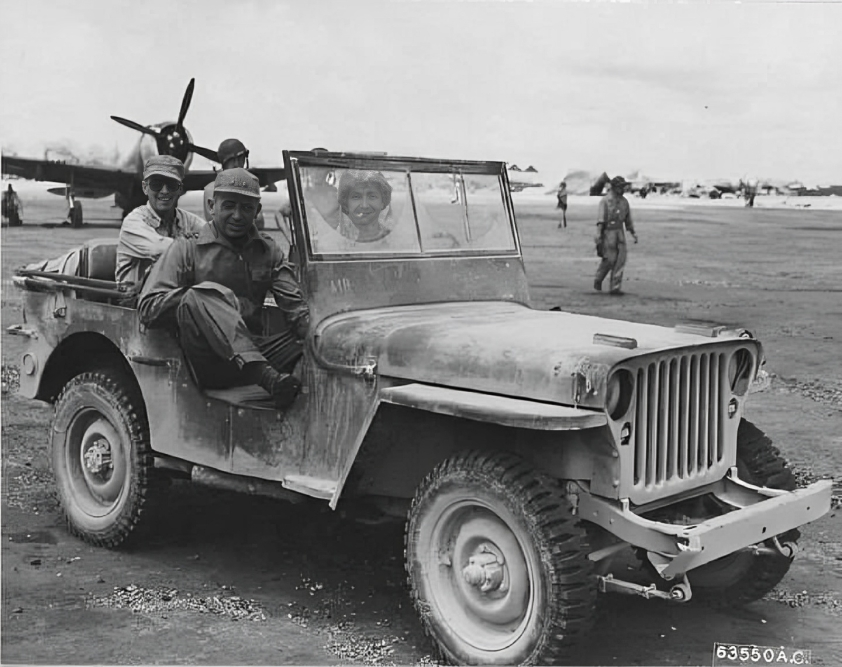
Establishing the Front Line in the CBI Theater
To understand the necessity of Fenny Airfield, one must consider the strategic complexities of the China-Burma-India (CBI) Theater. By early 1944, Japanese forces had advanced deep into Burma, threatening India’s eastern borders and effectively severing Allied ground supply lines to China over the Himalayan “Hump.” The Allied counter-offensive required robust airpower staging areas near the front lines to disrupt Japanese supply chains and support the advancing ground troops, specifically the British Fourteenth Army. Feni’s geographic positioning, situated north of the key port of Chittagong and in proximity to the Burmese operational area, made it an ideal location for offensive medium bomber operations and rapid logistical staging.

The Earthquakers of Feni: Operations of the 12th Bombardment Group
The operational history of Fenny Airfield is dominated by the presence of the 12th Bombardment Group, famously known as the “Earthquakers.” This seasoned combat unit, flying the versatile North American B-25 Mitchell medium bomber, was reassigned to the Tenth Air Force in the CBI theater following successful campaigns with the Twelfth Air Force in southern Italy.
Tactical Bombardment in Burma
From July 1944 until June 1945, B-25s from Fenny Airfield executed constant combat missions over Burma. Their target profiles focused on Japanese communications, transportation hubs, supply dumps, and critical infrastructure such as bridges. By systematically destroying these logistical bottlenecks, the medium bombers from Feni strangled the Japanese ability to supply their forward units or mount effective defenses against the Allied advance. Furthermore, these Mitchell bombers provided direct, close-air support to British Fourteenth Army ground forces, softening enemy positions immediately before advances in difficult jungle terrain.
Decisive Air Support at Imphal, India
A crucial pivot in the Burma Campaign occurred during the Japanese U-Go offensive against Imphal and Kohima in India in mid-1944. Allied ground forces were encircled and faced critical shortages. The 12th Bombardment Group utilized Fenny Airfield as a launchpoint not just for offensive strikes, but for urgent logistical support. In a demonstration of medium bomber versatility, B-25s were adapted to deliver immediate ammunition and emergency supply air-drops to the encircled Allied garrisons at Imphal, a logistical feat that proved decisive in holding the positions and turning the tide of the Japanese offensive.
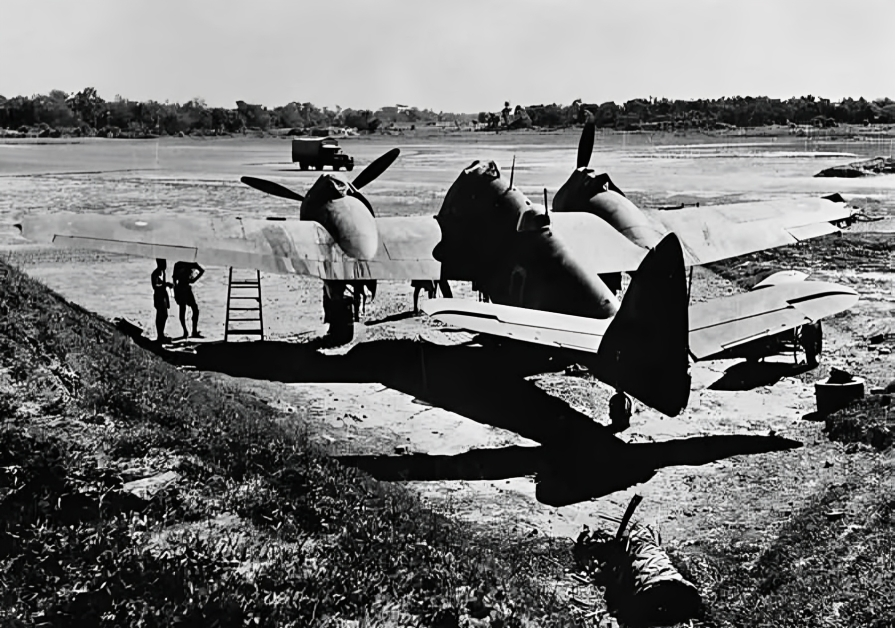
Logistical and Support Backbone at Fenny
While often overshadowed by combat operations, the logistical footprint at Fenny was essential for sustaining the air war and the ground campaign. The airfield became a hub for multifaceted aerial capabilities, exemplifying integrated theater logistics.
12th Combat Cargo Squadron and Inaccessible Terrain
Operating alongside the bombers, the 12th Combat Cargo Squadron utilize Fenny as a staging base for dedicated aerial resupply. In the rugged, impenetrable jungle terrain of the Burmese frontier, standard ground logistics often failed. The squadron executed high-frequency air-drops of ammunition, food, medical stores, and equipment to forward ground units in active contact with the enemy, a lifesaver for troops who were otherwise cut off from standard supply lines.
Communications and Technical Depot Status
Beyond its flight operations, Fenny served two other critical technical functions:
Communications Station: Due to its strategic positioning, it functioned as a central radio communications relay station, linking Tenth Air Force headquarters with forward airfields and advancing ground headquarters, ensuring coordinated command and control across the theater.
Air Technical Service Command Maintenance Depot: Harsh tropical conditions and high combat frequency took a heavy toll on B-25s and cargo aircraft. Fenny hosted a dedicated maintenance depot capable of executing complex field repairs, engine overhauls, and structural fixes, maximizing aircraft availability when it was needed most.
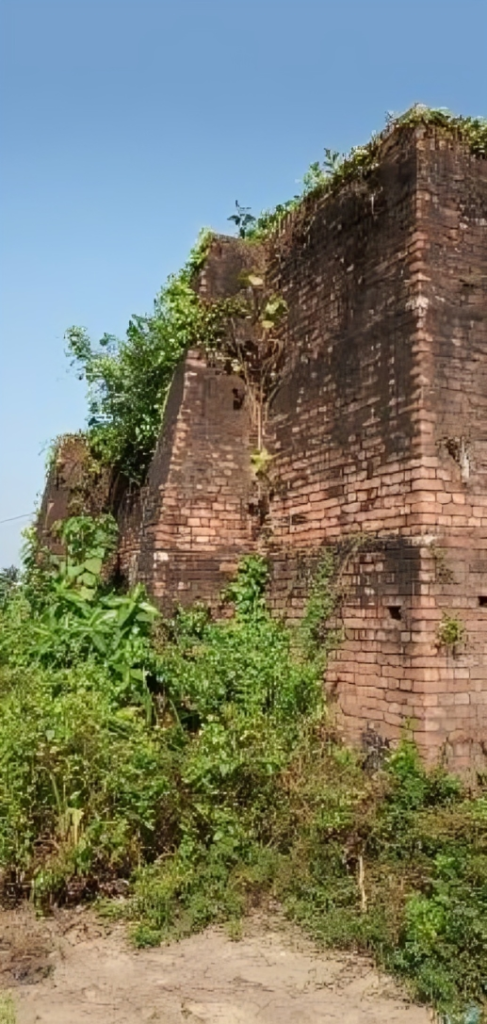
Post-War Abandonment and Decommissioning
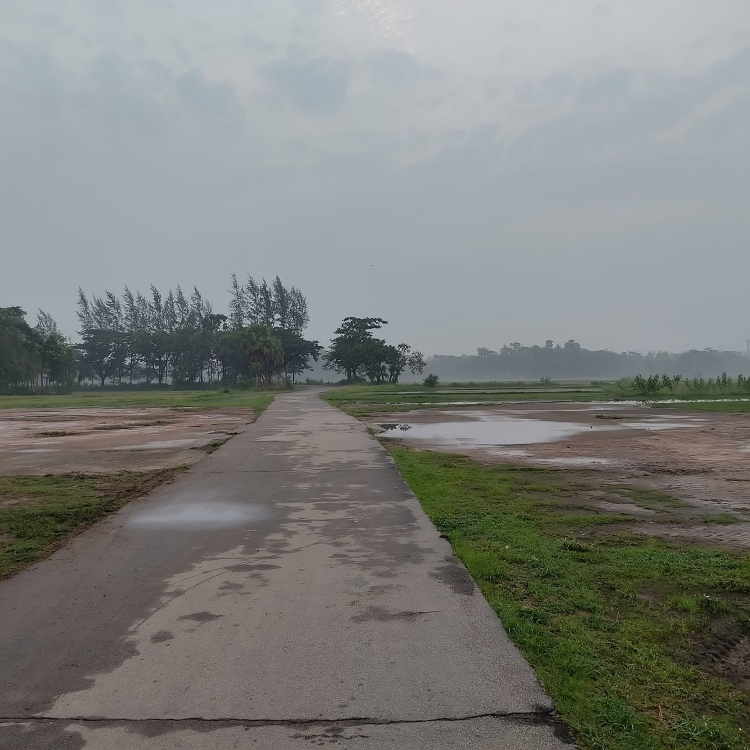
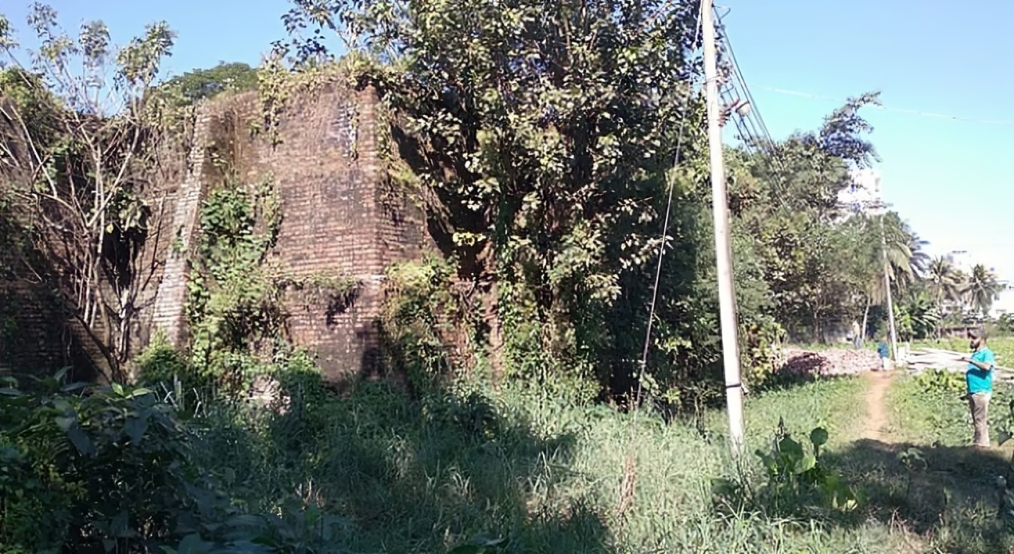
Following the Allied recapture of Burma and the eventual Japanese surrender in mid-1945, the military necessity for Fenny Airfield evaporated almost immediately. The 12th Bombardment Group moved to India, and the airfield was quickly decommissioned. Today, the installation stands abandoned. Much like many of the former wartime “glass cockpit” staging bases across the region, the once-bustling Fenny Airfield has been reclaimed by nature or absorbed into the agricultural and urban expansion of Feni town, with few, if any, visible reminders of its pivotal contributions to the Second World War.
Key Takeaways: Fenny Airfield in World War II
- Primary Purpose: Forward staging base for USAAF Tenth Air Force medium bombardment and critical aerial resupply during the Burma Campaign (1944-1945).
- Main Unit: Home to the 12th Bombardment Group (“Earthquakers”) flying B-25 Mitchells from July 1944 to June 1945.
- Decisive Actions: Played a critical role in the Battle of Imphal (India) by repurposing bombers and hosting cargo planes for immediate ammunition and supply air-drops to encircled forces.
- Logistical Hub: Stage point for the 12th Combat Cargo Squadron, which executed air-drops to ground troops over impenetrable terrain.
- Technical Roles: Served as a key communications relay station and hosted an Air Technical Service Command maintenance depot to keep aircraft flying in harsh tropical conditions.
- Current Status: Entirely abandoned and decommissioned shortly after the war’s conclusion in 1945.
Frequently Asked Questions (FAQ)
What was the primary function of Fenny Airfield in WWII?
Fenny Airfield served as a strategic USAAF base for medium bombardment (B-25 Mitchells) and intense aerial logistics (Combat Cargo units) supporting the British Fourteenth Army against Japanese forces in the Burma Campaign between 1944 and 1945.
Which major US air force unit was based at Fenny Airfield?
The most prominent unit was the Tenth Air Force’s 12th Bombardment Group (“The Earthquakers”), which operated North American B-25 Mitchell medium bombers from the airfield.
How did Fenny Airfield contribute to the Battle of Imphal?
When Japanese forces encircled Allied troops at Imphal, India, the 12th Bombardment Group at Fenny was crucial. They repurposed B-25 medium bombers to fly high-priority air-drops of ammunition and supplies to the besieged garrison, a key factor in holding the positions.
What other non-combat units utilized the airfield?
The 12th Combat Cargo Squadron staged from Fenny to execute air-drops of supplies to troops on the ground over difficult terrain. It also served as a Tenth Air Force communications station and an Air Technical Service Command maintenance depot for extensive aircraft repair.
Is Fenny Airfield used by aircraft today?
No. Following the conclusion of the Burma campaign in 1945, the military necessity for the airfield ended, and it was decommissioned and abandoned. The site has likely been reclaimed by agricultural land or urban development in the Feni region.
What types of aircraft operated from Fenny Airfield?
The primary aircraft were North American B-25 Mitchell medium bombers used for attack missions, and various cargo aircraft, potentially including Douglas C-47 Skytrains or Curtiss C-46 Commandos used for aerial resupply.