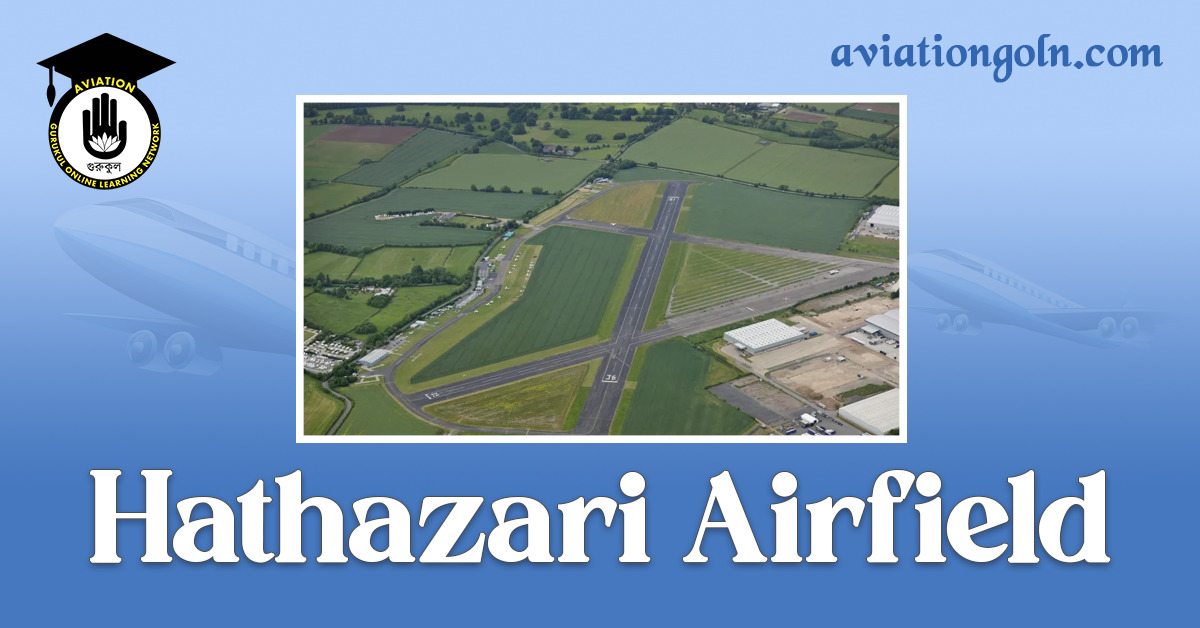
While largely forgotten in the decades following World War II, Hathazari Airfield stands as a testament to the crucial logistical effort required to defeat Japanese forces in Southeast Asia. Located in present-day Bangladesh, this wartime installation served as a vital node in the Allied supply chain, facilitating the rapid advance of troops and matériel into the difficult terrain of Burma. Examining its brief but intense operational history reveals the intricate intersection of airpower, logistics, and strategy that defined the China-Burma-India (CBI) Theater.
Strategic Imperatives and Geographical Context
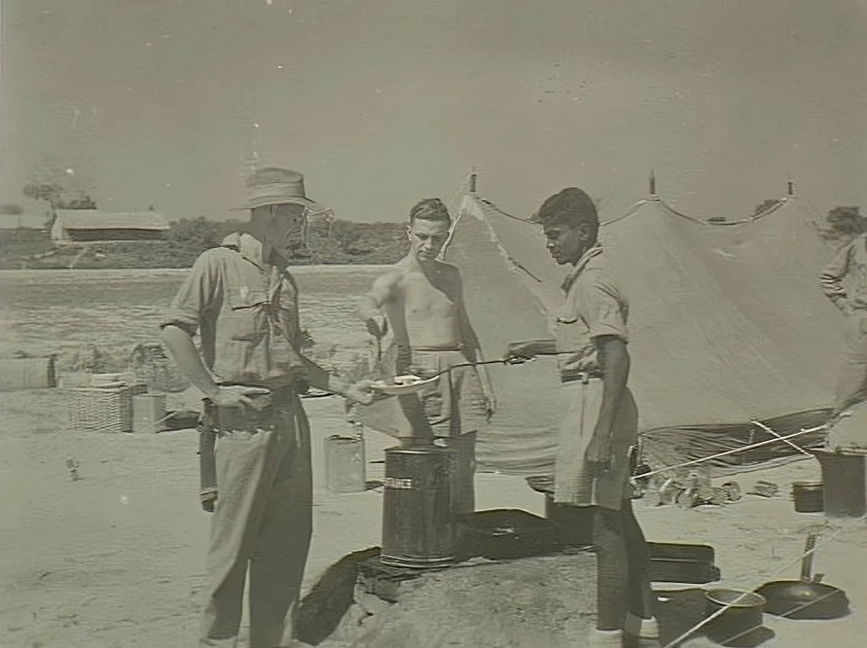
The location of Hathazari Airfield was dictated by the overarching strategic necessities of the CBI Theater in late 1944. As Allied forces committed to removing Japanese troops from Burma, traditional ground supply lines through Assam were strained to the breaking point. The solution lay in establishing forward logistics bases closer to the combat zones, relying heavily on aerial resupply—a doctrine that was still being refined on this unprecedented scale.
Proximity to Chattogram and Rail Infrastructures
Situated north of Chattogram (then Chittagong), Hathazari offered a convergence of logistical advantages. Crucially, it was positioned near the railhead of the main railway line terminate at Chittagong port. This allowed heavy, bulk supplies arrived via sea to be quickly transferred to the rail network and moved inland to Hathazari. From there, combat cargo aircraft could lift these supplies over the Burmese jungles, bypassing impenetrable terrain and significantly reducing the time-to-front for critical cargo.
Royal Air Force Operations at Hathazari
Before the intensive United States Army Air Forces (USAAF) presence, Hathazari Airfield was extensively utilized by the Royal Air Force (RAF) during the critical phases of the Burma Campaign. These operations were essential in sustaining the momentum of the Allied advance during the dry season of 1944–1945.
Supporting the 14th Army’s Advance
Several RAF transport squadrons operated from Hathazari, dedicated to providing logistical support to Lieutenant-General William Slim’s 14th Army. Their primary objective was maintaining the supply chain as forward units moved deeper into central Burma.
- No. 117 Squadron RAF: Stationed at Hathazari from December 1944 to April 1945, this unit operated Douglas C-47 Skytrain transport aircraft, moving troops and supplies into critical forward airfields.
- No. 62 Squadron RAF: Arrived alongside No. 117 Squadron in December 1944, No. 62 Squadron also flew C-47s on intensive resupply missions until March 1945. Their operations often ran in direct coordination with Allied ground offensives.
- No. 31 Squadron RAF: Based at Hathazari between February and May 1945, No. 31 Squadron provided vital continuity as other units rotated, ensuring an uninterrupted flow of matériel.
USAAF and the Era of Combat Cargo
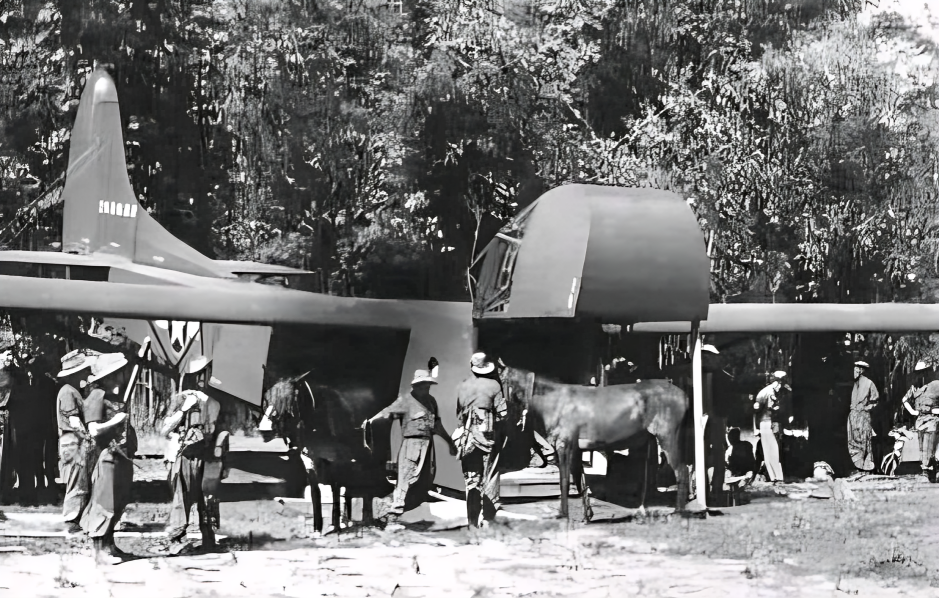
The later stages of Hathazari’s operational life were defined by the intensive logistical doctrine of the USAAF. As the battlefront moved further east and south into Burma, the demand for specialized cargo units—capable of landing on unimproved forward strips or delivering via air-drop—became paramount.
The Role of the 1st Combat Cargo Group
In May 1945, operations at Hathazari Airfield shifted significantly with the arrival of elements of the USAAF 1st Combat Cargo Group. Combat Cargo Groups were specialized, self-sufficient units designed to deliver critical cargo and personnel directly into combat zones and evacuate casualties on return flights.
Hathazari served as a primary staging point for airborne resupply missions. Utilizing Douglas C-47 Skytrain and Curtiss C-46 Commando aircraft, USAAF crews flew rigorous schedules to air-drop ammunition, fuel, and rations to forward units operating without established ground lines of communication. This intensive aerial effort was essential in preventing Japanese forces from regrouping or establishing defensive lines during the fluid Allied advance.
Critical Communications Infrastructure
Beyond cargo, Hathazari Airfield played a vital technological role as a radio relay station. Operated by the 128th Army Communications System Squadron (AACS), this installation ensured continuous communication between Allied bases in India, Burma, and the advancing forward headquarters. The AACS radio relay ensured that air movement controllers could coordinate the massive flow of traffic and that command elements possessed real-time situational awareness.
| Aspect | RAF Operations (Dec 1944–May 1945) | USAAF Operations (May 1945–Sep 1945) |
| Primary Mission | Logistical support for 14th Army | Airborne resupply and Combat Cargo staging |
| Key Units | Nos. 117, 62, 31 Squadrons | 1st Combat Cargo Group; 128th AACS Squadron |
| Aircraft Types | Douglas C-47 Skytrain | Douglas C-47; Curtiss C-46 Commando |
| Strategic Focus | Maintaining existing supply chains | Enabling rapid, forward-moving offensives |
Decommissioning and Post-War Status
The operational necessity for Hathazari Airfield evaporated almost immediately following the Allied victory. With the conclusion of the Second World War in August 1945, the rapid draw-down of Allied forces in Southeast Asia began. USAAF operations ceased in September 1945.
Following its closure, the airfield was returned to civilian authority. Lacking a post-war requirement for a large-scale transport hub in that specific location, Hathazari quickly fell into disuse. Structures were dismantled, and the runways were reclaimed by agricultural or industrial development. Over the subsequent decades, the natural erosion and rapid redevelopment typical of the region erased all visible vestiges of its wartime history.
The Logistical Legacy of Hathazari Airfield
Hathazari Airfield represents a crucial, yet often overlooked, component of the China-Burma-India Theater’s victory. Its history underscores that Allied success in Southeast Asia was as much a triumph of logistics as of tactical combat. The doctrine of aerial resupply, refined at forward bases like Hathazari by both the RAF and USAAF, proved that airpower could overcome impenetrable geography and revolutionize ground warfare by untethering armies from traditional supply lines.
Frequently Asked Questions (FAQ)
What was the primary purpose of Hathazari Airfield during World War II?
Hathazari Airfield served as a critical logistical hub during the later stages of the Burma Campaign (1944–1945). It was a supply point and staging base for airborne resupply and Combat Cargo missions, designed to deliver matériel directly to Allied troops advancing into Burma.
Which Allied air forces operated from Hathazari Airfield?
Both the Royal Air Force (RAF) and the United States Army Air Forces (USAAF) operated intensively from Hathazari. The RAF utilized it from late 1944 to early 1945, while the USAAF became the dominant user from May 1945 until the war’s end.
What types of aircraft were commonly seen at Hathazari Airfield?
The airfield primarily hosted transport and cargo aircraft. The most common types were the Douglas C-47 Skytrain (known in British service as the Dakota) and the larger Curtiss C-46 Commando.
Are there any visible remains of Hathazari Airfield today?
No. After being decommissioned in September 1945, the airfield fell into disuse and was quickly reclaimed by civilian development and agricultural land. No visible traces of the wartime runways or structures remain.
Why was the location of Hathazari Airfield strategically significant?
Its strategic value was derived from its proximity to both the port of Chittagong (now Chattogram) and the main railway line. This combination allowed for efficient transfer of bulk supplies arrived via sea and rail to cargo aircraft, which could then bypass difficult jungle terrain and rapidly deliver them to the battlefront in Burma.
Key Takeaways
- Logistical Cruciality: Hathazari Airfield was vital for sustaining the rapid Allied advance during the 1944–1945 Burma Campaign.
- Multinational Operations: The base was heavily utilized by both RAF and USAAF transport squadrons.
- Aerial Resupply Doctrine: Operations at Hathazari refined the doctrine of large-scale aerial resupply, bypassing impenetrable ground terrain.
- USAAF Combat Cargo: The presence of the 1st Combat Cargo Group highlighted the importance of specialized aerial logistics in the theater.
- Communications Node: The airfield also functioned as a key radio relay station, linking Allied command centers across the region.
- Post-War Erasure: The base was decommissioned immediately after the war (September 1945), and no visible traces remain today.