
The airline industry operates within one of the most uniquely competitive and economically volatile environments in the business world. It is a sector defined by massive fixed costs (aircraft acquisition, labor, fuel, maintenance), highly variable and elastic demand, perishable inventory (an empty seat upon takeoff generates zero revenue and cannot be stored for later sale), and fierce competition. Consequently, airlines cannot rely on simple cost-plus pricing models. Instead, they have developed remarkably intricate, data-driven pricing strategies rooted in sophisticated marketing practices and complex revenue management principles.
These strategies are essential for survival in an industry notorious for razor-thin profit margins. Effective airline pricing must achieve a delicate balance: it must stimulate demand among price-sensitive travelers while maximizing contributions from high-yield business travelers. This dual objective ensures profitability and operational sustainability, directly impacting an airline’s ability to reinvest in fleet modernization, safety, and customer service. As air travel continues to evolve, understanding the mechanics behind the ticket price becomes paramount for travelers, regulators, and industry professionals alike.

The Foundation: Airline Revenue Management (ARM) Systems
Airline Revenue Management (ARM), also known as Yield Management, is the application of disciplined analytics that predict consumer behavior at the micro-market level to optimize product availability and price for maximum revenue growth. While often viewed simply as cost-plus pricing, ARM is inherently value-based. The ultimate, overarching goal is a precise execution of micro-segmentation: selling the right seat to the right passenger at the right price at the right time.
The science of ARM relies on historical data, real-time demand signals, and predictive algorithms. This sophisticated approach enables airlines to navigate the inherent instability of supply and demand. By moving away from fixed pricing, airlines can maximize the revenue generated by every single seat on every flight, ensuring that empty seats are minimized and high-demand seats are priced appropriately to capture willingness to pay.
The Core Functions of ARM
Executing a successful ARM strategy requires a synchronized effort across four foundational functions:
Forecasting: Predicting demand requires analyzing vast datasets, including historical booking curves (the pace at which seats sell over time), seasonal trends, macroeconomic indicators, holidays, major events at the destination, and competitive schedules. Accurate forecasting is critical because all subsequent inventory and pricing decisions are based on these predictions.
Inventory Control: This function determines the allocation of seats among various fare classes (booking buckets). Inventory control does not decide the price of a fare class, but rather the availability of seats within it, dynamically moving inventory up or down the fare ladder as the departure date approaches or as booking pace deviates from the forecast.
Pricing: ARM specialists establish specific price points and, crucially, the associated fare conditions (e.g., non-refundable, minimum stay, change fees) for each booking class. Pricing must remain responsive, adjusting ticket prices in real-time based on shifts in forecasted demand, competitive actions, or changes in fuel costs.
Overbooking: To mitigate the revenue loss from passengers who hold reservations but fail to show up (no-shows) or who cancel at the last minute, airlines deliberately sell more tickets than available seats. This practice is managed by statistical models that predict no-show rates based on flight type, time of day, fare class mix, and destination, aiming to minimize empty seats upon departure while limiting the need for involuntary “bumping.“
[Summary Box: The ARM Definition] Revenue Management: Selling the right seat to the right customer at the right time for the right price. It is the tactical management of pricing and inventory to maximize profitability from perishable assets. [/Summary Box]

Primary Airline Pricing Strategies in Practice
To execute their ARM objectives, airlines utilize a blend of distinct pricing models, customized to different routes, market types, and consumer segments. These strategies rarely operate in isolation; rather, a single itinerary may be the product of multiple overlaying pricing methodologies.
Tiered Pricing and the Fare Class Structure
Airlines segment the aircraft cabin into numerous fare classes, or booking buckets, well beyond the basic economy, business, and first-class distinction. Each class is represented by a specific letter code (e.g., Y, J, F for full fare economy, business, first; or Q, S, L for discounted economy) and has its own price point and regulatory conditions.
These fare classes do not correspond to different seats (excepting the main cabin divisions); a ‘Q’ class passenger sits next to a ‘Y’ class passenger. The difference lies in the flexibility and amenities associated with the ticket. Higher-priced classes offer benefits such as refundability, lower change fees, priority boarding, and increased loyalty point accrual, appealing directly to business travelers who require flexibility. Lower-priced classes have restrictive conditions and are targeted at price-sensitive leisure travelers who are willing to trade flexibility for savings.
[Comparative Table: Anatomization of Economy Fare Classes]
| Booking Code | Common Designation | Flexibility/Refunds | Minimum Stay | Change Fees | WTP Target |
| Y | Full Fare Economy | High/Fully Refundable | None | None | Business/Last Minute |
| B/M | Standard Economy | Moderate/Changes Allowed | Varies | High | Premium Leisure/Corporate |
| H/K | Discount Economy | Low/Non-Refundable | Often Varies | High | Leisure/Advanced Purchase |
| L/V/S | Deep Discount Econ | Very Low/No Changes | Usually Req. | Very High | Price-Sensitive Leisure |
| O/N/G | GRP/Tour/Web Sale | Extremely Restrictive | Strictly Req. | Usually Not Permitted | Ultra-Leisure/Promotional |
| [/Comparative Table] |
Dynamic Pricing and Real-Time Optimization
Airlines operate one of the most sophisticated examples of dynamic pricing. Unlike tiered pricing, which allocates inventory among established classes, true dynamic pricing continuously adjusts the price of those classes themselves in response to real-time supply and demand variables. Factors influencing the algorithm include the remaining seat availability, the current booking velocity (pace), competitive price movements, the specific time of day of the flight, the routing popularity, and the specific booking window (how far in advance the purchase occurs).
This level of optimization is facilitated by Global Distribution Systems (GDS) and increasingly by New Distribution Capability (NDC) standards, which allow airlines to push personalized, dynamically generated offers directly to travel agents and consumers. When a passenger searches for a flight and sees a different price a few hours later, they are witnessing dynamic pricing algorithms reacting to real-time market data.
Market Segmentation (Leisure vs. Business)
Effective ARM hinges on successfully segmenting the market into distinct behavioral groups, primarily business and leisure, to capture their maximum willingness to pay (WTP). Business travelers generally have a high WTP but are highly time-sensitive; they value flight frequency, non-stop routings, and flexibility. They often book close to the departure date.
Leisure travelers are highly price-sensitive but have a low time sensitivity; they are willing to accept inconvenient times, connecting flights, or alternate dates in exchange for a lower fare. They typically book far in advance. ARM systems manipulate availability and pricing based on these behavioral characteristics, utilizing “fences” (like the Saturday-night stay requirement) to prevent high-WTP business travelers from cannibalizing discounted leisure fares.
[Tip Box: How Airlines Fence Fares] The Saturday Night Stay Rule: This is a classic “fence.” Business travelers rarely stay over a Saturday night on a trip. Leisure travelers usually do. By offering the lowest fares only when a Saturday night stay is included, airlines effectively force higher-WTP business travelers to book higher-priced, more flexible fare classes. [/Tip Box]
Unbundled Pricing (Ancillary Revenue Models)
A significant development over the last two decades, popularized by Low-Cost Carriers (LCCs) and now adopted by Legacy Network Carriers, is the shift toward an unbundled, or “à la carte,” pricing model. This approach decouples the base fare (transportation from A to B) from additional services.
The strategy is twofold: it stimulates demand with a low headline price that appears competitive in metasearch results, while generating substantial margin through high-profit ancillary services. By unbundling, airlines capture incremental revenue that would otherwise be lost and simultaneously give passengers the choice to pay only for the services they value.
[Numbered List: Common Ancillary Revenue Streams]
Baggage Fees: Charging for checked bags or, increasingly, larger carry-on items (especially for Basic Economy).
Seat Selection: Pricing specific seats based on location (aisle, window), exit rows, or bulkhead (extra legroom).
Onboard Services: Food, alcoholic beverages, and increasingly, Wi-Fi access.
Priority Services: Charges for priority check-in, priority security clearance, or priority boarding.
Flexibility Options: Fees for confirmed standby or simplified ticket change capabilities.
Commissions: Revenue shared from partnerships with car rentals, hotels, and travel insurance providers booked through the airline’s website. [/Numbered List]
Airline Marketing’s Strategic Influence on Pricing and Demand
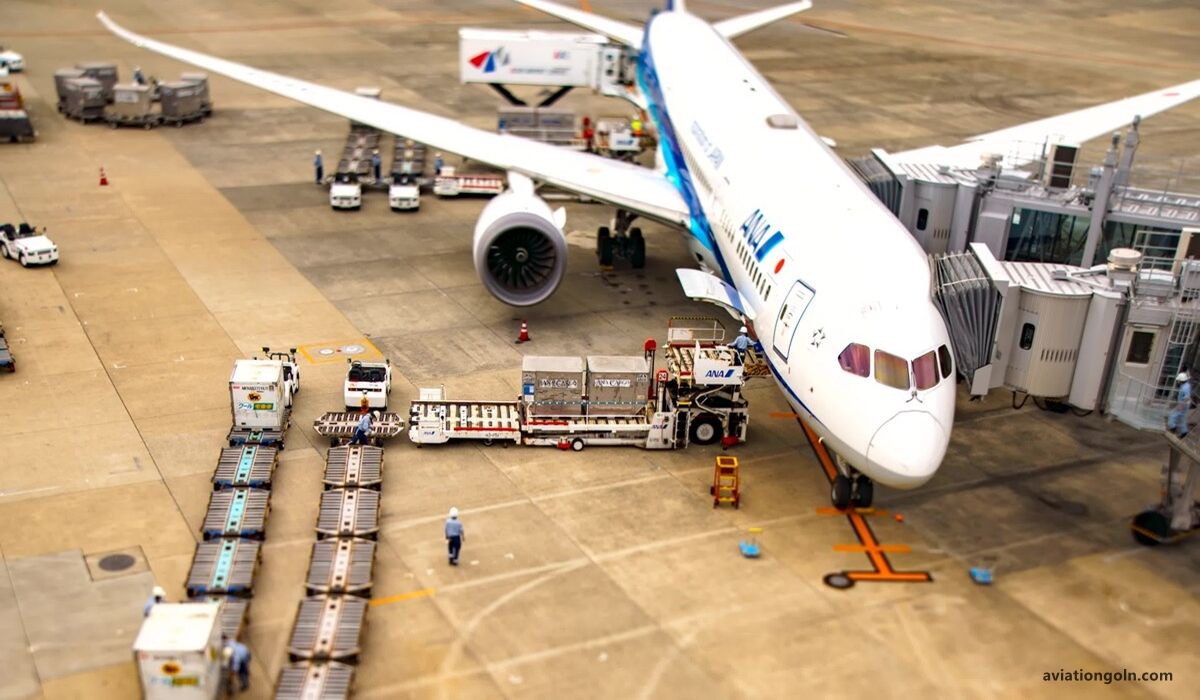
Marketing is not merely advertising; it is a critical differentiator that integrates with and directly shapes pricing strategy. Marketing efforts influence brand perception, build loyalty, and stimulate demand during weak periods, thus providing revenue management systems with a larger or more committed customer base to optimize.
Frequent Flyer Programs (FFPs) and Loyalty Premiums
FFPs are among the most valuable assets of a modern airline. These programs incentivize passengers to concentrate their travel on a single airline or alliance to earn points redeemable for free flights, upgrades, or other benefits.
For the pricing strategist, loyalty programs provide two critical advantages:
Perceived Added Value: A passenger may be willing to pay a slight premium on a ticket if it contributes toward achieving elite status or redeeming a valuable award flight. Perceiving this added value reduces price elasticity among loyal customers.
Data Capture: Loyalty programs provide airlines with rich datasets on individual consumer behavior, preferences, and price sensitivity, enabling future personalized marketing and dynamic pricing optimization.
[Note Box: FFPs and Credit Card Revenue] A Critical Note: Frequent Flyer Programs are so profitable that airlines generate significant revenue simply by selling miles to credit card partners. For some major US legacy carriers, the profit generated by the loyalty program often exceeds the profit from their core flying operations. [/Note Box]
Strategic Alliances, Code-Sharing, and Network Reach
Airlines extend their global reach and optimize costs through code-sharing agreements and membership in global alliances (e.g., Star Alliance, SkyTeam, oneworld). Code-sharing allows an airline to sell tickets under its own designator code on a flight operated by another carrier.
This strategic intersection impacts pricing in several ways:
Network Synergy: Pricing managers must coordinate fares across the combined network, ensuring that neither airline dilutes the other’s yield (cannibalization) and that pricing remains competitive on interline routings. Complex “revenue proration” agreements govern how the revenue is split between the operating and the marketing carrier.
Antitrust Immunity: In some cases, alliances have antitrust immunity, allowing deep coordination on pricing and schedules on specific international routes (e.g., transatlantic joints ventures), which can sometimes lead to higher fares on those monopoly or duopoly routes.
Promotional Flash Sales and Demand Stimulation
ARM systems cannot always fill every seat through dynamic pricing alone, particularly during off-peak seasons or on new routes. This is where promotional flash sales become a tactical marketing tool.
These short-term, deeply discounted sales are designed to:
Stimulate immediate demand in lagging markets or seasons.
Increase the airline’s brand visibility and capture market share from competitors.
Introduce the airline’s product to new customer segments (conversion). RM systems must manage these sales carefully to ensure they do not cause significant “buy-down” (high-WTP customers purchasing promotional fares), utilizing restrictive fences like minimum advance purchase requirements and blackout dates.
Macroeconomic and Regulatory Forces Shaping Airline Prices
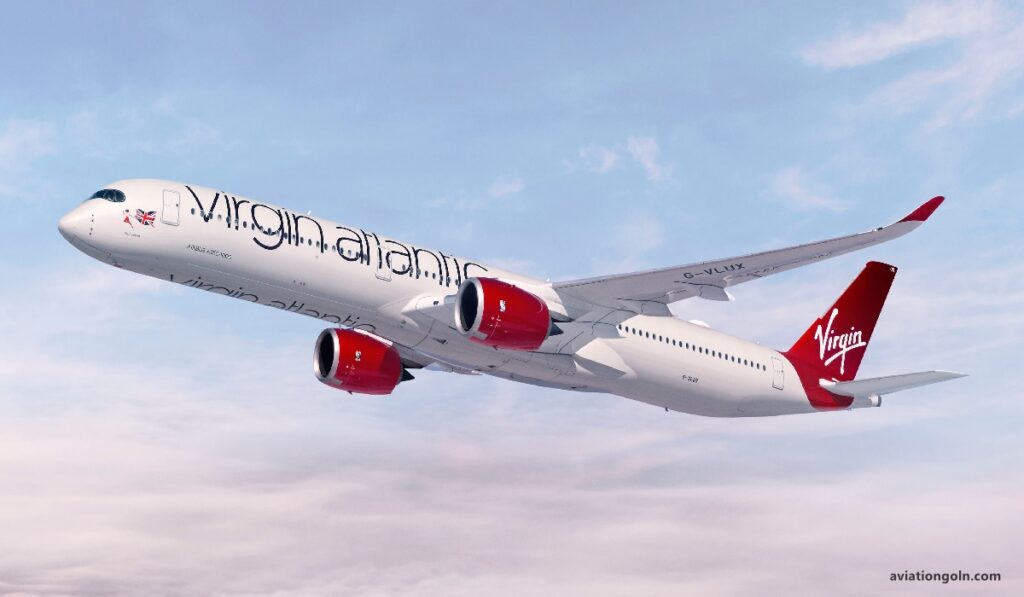
Ticket pricing does not occur in a vacuum. It is heavily influenced by external economic realities, cost inputs, and the legal environment.
Competition and Route Dominance: Pricing power is inversely related to competition. Monopoly routes (where only one airline operates) generally command significantly higher prices. Routes with robust competition, particularly from LCCs, experience lower average fares due to competitive pressures and occasional “price wars.“
Fuel Prices: Jet fuel is typically the largest or second-largest cost input for airlines. Significant fluctuations in fuel prices can be directly passed to consumers via higher base fares or, more commonly, distinct fuel surcharges (YQ/YR taxes). Conversely, prolonged low fuel prices allow airlines to reduce base fares or eliminate surcharges to stimulate demand.
Regulatory and Taxation Environment: Bilateral aviation agreements between nations can restrict pricing or frequency on international routes. Furthermore, a substantial portion of the ticket price often consists of government-imposed taxes, security fees, passenger facility charges (PFCs), and airport use fees. Airlines must act as collection agents for these entities, which directly inflates the final cost to the consumer.
The Digital Challenge and the Future of Airline Pricing
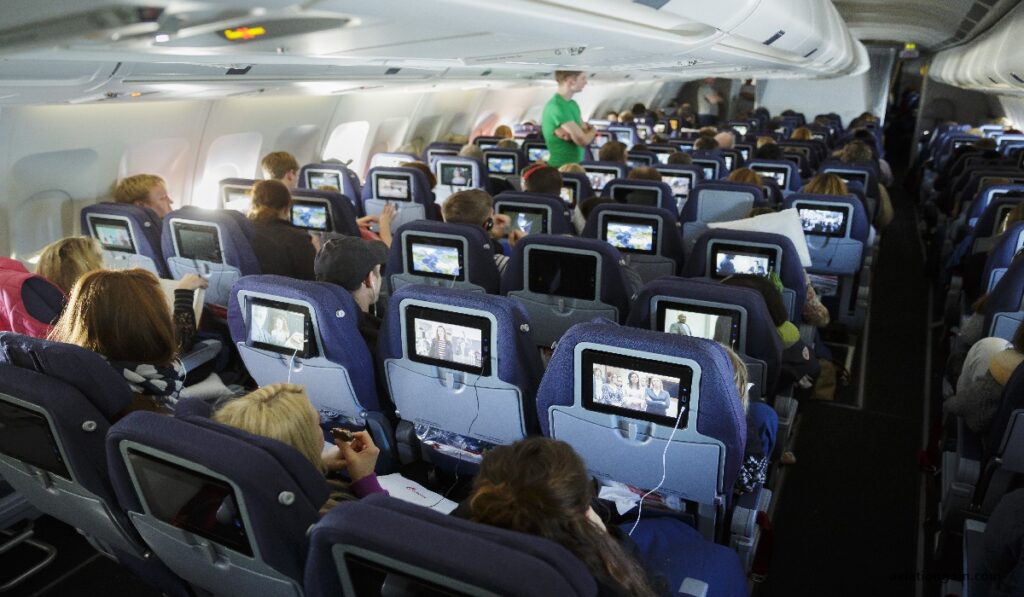
The digital age has brought radical transparency to airline pricing, presenting both a massive challenge and a profound opportunity for airlines. Consumers now possess the tools to compare prices across hundreds of airlines and online travel agencies (OTAs) in real time through meta-search engines like Google Flights and Skyscanner. This metasearch environment often commoditizes the travel product, intensifying the pressure on airlines to compete solely on headline price.
The Rise of NDC and One-to-One Personalized Pricing
To combat commoditization and GDS distribution costs, airlines are aggressively pivoting to the New Distribution Capability (NDC) standard developed by IATA. NDC allows airlines to create, distribute, and manage highly personalized offers to third-party distributors (OTAs, travel management companies) and directly to consumers.
The future of airline pricing is not just dynamic (based on market conditions) but personalized (based on individual consumer behavior). Using NDC, AI, and machine learning, airlines will analyze an individual’s search history, past booking behavior, travel frequency, and even the device type they use to generate a customized offer in real time, tailoring both the price of the base fare and the unbundled or bundled services included, precisely matching the individual’s willingness to pay.
Challenges in the Post-COVID Era
The post-COVID era has restructuring airline pricing strategies. Airlines are now grappling with:
A long-term decrease in high-yield traditional business travel as corporate video conferencing persists.
The rise of “Bleisure” or “Hybrid” travelers who blend business with leisure trips, reducing time sensitivity.
The need to capture “Premium Leisure” travelers willing to pay for extra comfort but still highly price-sensitive compared to old corporate contracts. Pricing strategies must remain agile, adapting to these fundamental shifts in traveler behavior to ensure continued profitability in a structurally changed and ever-competitive landscape.
[Warning Box: Price Discrimination Misconceptions] A Misconception: While airlines engage in advanced segmenting (which is a form of price discrimination), charging different prices is not cost-based. Two people sitting in identical economy seats paid different fares because they purchased at different times, had different flexibility requirements (Saturday night stay, refundability), or the dynamic algorithm predicted their individual willingness to pay differed. Dynamic pricing ensures airlines can remain profitable by navigating fixed costs and volatile demand, ultimately keeping air travel accessible. [/Warning Box]

Key Takeaways for Travelers and Professionals
| Concept | Key Takeaway |
| Pricing is Not Fixed | Airline pricing is value-based, not cost-plus. Two passengers next to each other paid different prices based on behavior, not their seat. |
| RM System Goal | ARM tactilely manages inventory to maximize yield (profitability) from perishable assets (empty seats). |
| Loyalty Matters | Frequent Flyer Programs are massive brand differentiators and profit centers that reduce price sensitivity among loyal customers. |
| The Ancillary Shift | Airlines (Legacy and LCC) are unbundling. Low headline fares often require separate payment for bags, seats, and onboard services. |
| The “Fences” Rule | Restrictions like Saturday night stays and non-refundability are deliberately designed “fences” to prevent high-WTP travelers from buying discounted fares. |
| Technology’s Role | The future is data-driven, moving from dynamic segmentation to true personalized, one-to-one pricing tailored via AI and NDC standards. |
| Macro Factors | Fuel price volatility and the degree of competition on a specific route are the most decisive cost and price drivers. |

Frequently Asked Questions (FAQ)
1. What is the single biggest factor influencing the price of a flight?
While multiple factors overlay, the most decisive factors are competition on the route (routes with more airlines have lower fares) and demand forecast relative to seat capacity. Fuel price is the dominant cost input.
2. When is the best time to book a flight to get the lowest price?
There is no single magic date. Generally, the lowest prices appear during the “booking window,” which is often 3 to 12 weeks before departure for domestic flights and 4 to 12 months for international. Booking too early (before schedules are finalized) or too late (closer to business WTP) is typically more expensive.
3. Are budget airlines always cheaper?
Low-Cost Carriers (LCCs) almost always have lower headline fares, as they unbundle all services. However, once you add fees for checked bags, carry-ons, seat selection, and food, the final price can sometimes equal or exceed that of a legacy carrier that includes some of those services.
4. What is dynamic pricing, and does it mean airlines are spying on me?
Dynamic pricing is an algorithm that adjusts prices based on market supply and demand variables (availability, booking pace, competition), not necessarily individual identity (unless using new NDC personalized offers). Deleting your cookies or using incognito mode can sometimes reset general market demand signals but does not prevent dynamic optimization.
5. Why are last-minute flights so expensive?
ARM systems assume last-minute bookers are high-willingness-to-pay business travelers who cannot trade convenience for price. Airlines therefore maximize the pricing on the last remaining seats, knowing these price-insensitive travelers are willing to pay the premium.
6. Does fuel cost impact ticket prices directly?
Yes, fuel is a major cost component. When fuel prices rise significantly, airlines must increase base fares or implement distinct fuel surcharges (YR/YQ taxes) to maintain profitability. When they fall, competitive pressures may force airlines to reduce fares.
7. Why do prices drop?
If booking velocity (pace) is slower than forecasted, ARM systems may lower the bid price or release more seats in lower fare buckets to stimulate demand and fill the aircraft, adhering to the perishable inventory principle.
8. What is Code-Sharing?
It is an agreement where one airline (the marketing carrier) sells seats under its own flight number on a flight actually operated by another carrier (the operating carrier). Pricing must be coordinated across the combined network.
9. Are error fares legally binding?
Generally, no. In many jurisdictions, airlines are not legally obligated to honor error fares (prices listed incorrectly due to human or technical glitches) if they can prove it was an obvious error.
10. What are fare classes and booking codes (Y, Q, S)?
Booking codes represent internal fare classes, or buckets. Each letter represents a different price point and set of restrictions/benefits. Y is typically full-fare economy, while Q or S are heavily discounted, restrictive economy fares.